




To Writers Struggling With Their Whiteness
“Telling stories of ourselves that offer not comfort but complexity is the way to maintain an honest dialogue.”
Tags:
Jump to navigation Skip to content
Articles from Poet & Writers Magazine include material from the print edition plus exclusive online-only material.
“Telling stories of ourselves that offer not comfort but complexity is the way to maintain an honest dialogue.”
“I continue pushing and trudging through blanketing whiteness so heavy it often obstructs my vision.”
The critic on combining book reviews and cultural criticism, exposing readers to challenging views, and reading multiple books at once.

The owner of the recently opened Harriett’s Bookshop, which specializes in the work of Black and women authors, talks about the arts as a tool for social change and her vision for the store.
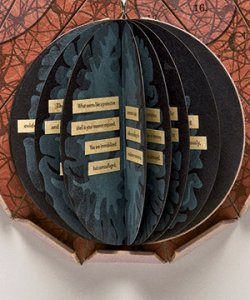
Using a unique fabrication process, Julie Chen constructs beautiful and inventive artists’ books that explore metaphysical ideas.
The poet and essayist on her approach to publishing in literary journals and her path to writing her debut poetry collection, Un-American.

The Milwaukee press releases twelve books of poetry, fiction, drama, art, and comics a year and focuses on publishing writers without MFAs or literary connections.
The #PublishingPaidMe hashtag highlights anti-Black bias within the publishing industry and opens up the conversation about how editors determine book advances.

The first lines of twelve noteworthy books, including Just Us: An American Conversation by Claudia Rankine and Transcendent Kingdom by Yaa Gyasi.

Four new anthologies, including We Want It All: An Anthology of Radical Trans Poetics and Love After the End: An Anthology of Two-Spirit and Indigiqueer Speculative Fiction.
A growing number of creative writing graduate programs in the United States offer dedicated spaces for students to learn and write in Spanish.
“These acts of solidarity are worthless if you are not consistently supporting and standing up for us every single day.”
“I would like to be among the crop of Black writers who emerged from the ashes of a torched racist system.”
“Where do Black folks put all this pain? Where do we put all our anger?”
The author describes creating a community-driven workshop where students are not asked to check their politics and identities at the door, and offers a series of questions for instructors to ask themselves before leading a class.

In her new essay collection, World of Wonders, poet Aimee Nezhukumatathil turns her creative powers of attention, play, openness, and love to a world of magic and imagination outdoors.
The effects of social media on the creative process—although it can help writers identify and pay attention to the quotidian moments of their lives, does it siphon off their storytelling energy?
The author considers how race is discussed in MFA versus literature PhD programs and argues that the MFA—and the literary culture and community it props up—is due for a reevaluation.
“How can I love a people who want to destroy me? How can I protect myself in that love?”
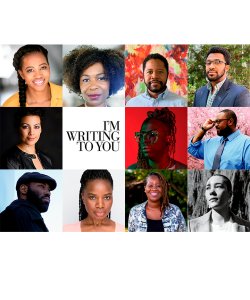
Eleven writers pen letters addressed to fellow Black writers, to their ancestors, to gatekeepers, to members of the media, and to allies, among others.

“You place yourself in the story, and one by one you begin to fill in the holes the world has left behind.”
“Often it was the help of an outside perspective that allowed me see what I was trying to do.” —Shruti Swamy, author of A House Is a Body
Emma Glass’s Rest and Be Thankful, forthcoming from Bloomsbury Publishing on December 1, 2020.
“It’s pretty clear that the entire system is due for a serious reckoning.” —Melissa Faliveno, author of Tomboyland
“I write sporadically and edit often.” —francine j. harris, author of Here Is the Sweet Hand