




A Prize for New Immigrant Writing
Restless Books creates space for immigrant stories through its annual prize, which awards $10,000 and publication to a first-generation immigrant writer.
Tags:
Jump to navigation Skip to content
Articles from Poet & Writers Magazine include material from the print edition plus exclusive online-only material.
Restless Books creates space for immigrant stories through its annual prize, which awards $10,000 and publication to a first-generation immigrant writer.

The Anderson Center in Minnesota offers the nation’s only residency designed to give Deaf artists time to work alongside one another.

The books editor of Entertainment Weekly discusses how he picks which titles to review and what he thinks books coverage will look like in ten years.
Marlen Suyapa Bodden describes self-publishing her historical novel Arrows of Fire and hiring editorial and publishing professionals during the process. A publisher and a marketer weigh in with additional advice for engaging with readers.
In the latest installment of a yearlong series on publishing professionals, four book marketers explain how they use advertising, social media, and other platforms to boost awareness about their titles.
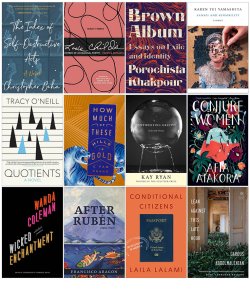
The first lines of a dozen noteworthy books, including Synthesizing Gravity: Selected Prose by Kay Ryan and Conjure Women by Afia Atakora.
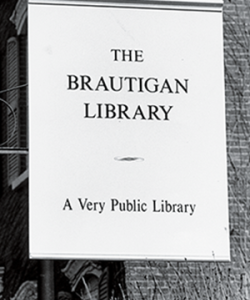
Inspired by a 1971 novel by Richard Brautigan, the Brautigan Library collects unpublished books, creating a fantastic archive of stories unaffected by publishing trends—and a window into the minds and dreams of its contributing writers.

The New York City press annually publishes six to eight books of fiction and nonfiction “by feminists, for everyone.”

The author on the journals that published stories from her collection How to Pronounce Knife.

Siglio Press has released a book on poet Bernadette Mayer’s project Memory, in which she wrote and took photos every day during July 1971, creating a lyrical testament to a moment in a life, intimately conjured yet still inevitably out of reach.
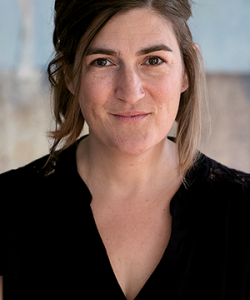
The author of the novel Goodnight Stranger reflects on her writing career and the cultural myths about success, youth, and appearance that women writers must navigate.
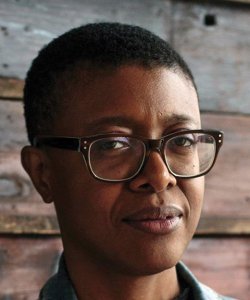
“The biggest challenge for me to accomplish any project is working to keep myself out of the way.” —Krista Franklin, author of Too Much Midnight
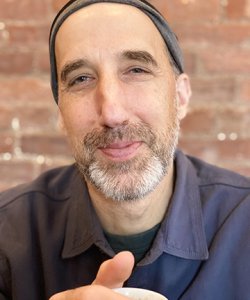
A writer recalls the transportation security officers who inspired his forthcoming novel, In Security.
On the occasion of her birthday, a writer finds a new perspective on life’s frailty during the coronavirus pandemic.

The author of The Prettiest Star recommends keeping a novel-dedicated notebook for ideas, research, and informal experiments.
Natasha Trethewey’s Memorial Drive, forthcoming from Ecco on July 28, 2020.
Six queer writers of color create a collective space to pursue their work, no explanations or apologies necessary.
“Just opening the document each day keeps it on track.” —Rebecca Dinerstein Knight, author of Hex

The pandemic that has shuttered nearly two-thirds of Barnes & Noble’s stores presents an unexected opportunity.

As scores of indie bookstores have shut their doors to the public and laid off staff, many continue to serve their customers via online orders and curbside pickup programs.
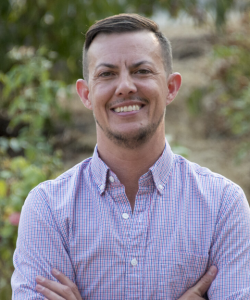
The author of the novel The Prettiest Star shares an exercise to help you approach your manuscript from a new angle.
Kelli Jo Ford’s Crooked Hallelujah, forthcoming from Grove Press on July 14, 2020.
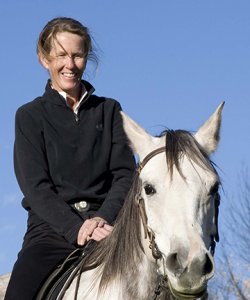
A horse trainer and author of a memoir, Half Broke, contemplates silence, distance, and the language of our bodies during a pandemic.
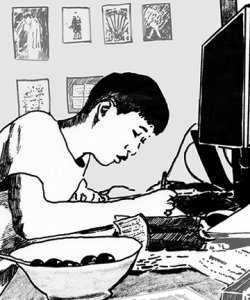
A writer and illustrator in Hong Kong contemplates the lack of social interaction during the coronavirus pandemic.

The 92nd Street Y Unterberg Poetry Center is just one of the venues offering online literary programming.