




The African Poetry Book Fund

Based at the University of Nebraska in Lincoln and led by Kwame Dawes, the African Poetry Book Fund supports and celebrates pan-African poetry.
Tags:
Jump to navigation Skip to content
Articles from Poet & Writers Magazine include material from the print edition plus exclusive online-only material.
Based at the University of Nebraska in Lincoln and led by Kwame Dawes, the African Poetry Book Fund supports and celebrates pan-African poetry.
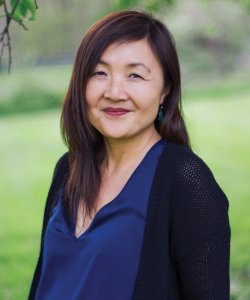
Read excerpts of the debut books by this year’s 5 Over 50: Jimin Han, Laura Hulthen Thomas, Karen E. Osborne, Tina Carlson, and Peg Alford Pursell.

Five writers over the age of fifty whose debut books were released this year: Jimin Han, Laura Hulthen Thomas, Karen E. Osborne, Tina Carlson, and Peg Alford Pursell. Excerpts of their books are available in 5 Over 50 Reads 2017.
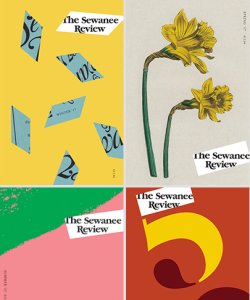
The country’s longest-running literary quarterly publishes its 500th issue with a new design, a new editor, and a new submissions platform, but the same old commitment to literary excellence.
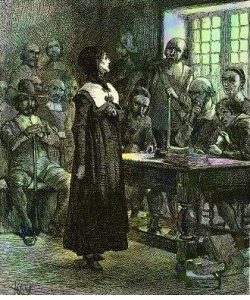
Novelist and singer-songwriter Ben Arthur finds inspiration in Puritan settler Anne Hutchinson, a character in Kurt Anderson’s book Fantasyland: How America Went Haywire: A 500-Year History.
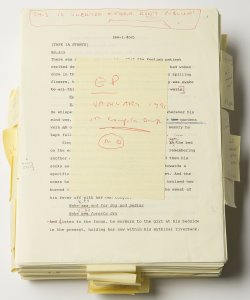
More than ninety boxes of material includes notebooks containing early drafts of novels, as well as poetry manuscripts, photographs, audio and video recordings, and more.

Poets and writers share their notes on writing in this series of micro craft essays. In the latest installment: considering process when writing a scene with action.

Poets and writers share their notes on writing in this series of micro craft essays. In the latest installment: writing active dialogue without the use of gerunds.
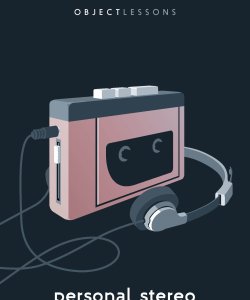
Object Lessons is a series of nonfiction books published by Bloomsbury that each explore a single object. A new group of Object Lessons authors discuss their process—from research, voice, and style to the challenge of incorporating both personal and journalistic perspectives in their books.

The Poets House Showcase in New York City features approximately 3,600 poetry collections, chapbooks, broadsides, anthologies, and other poetry-related texts published in the U.S. over the past eighteen months.
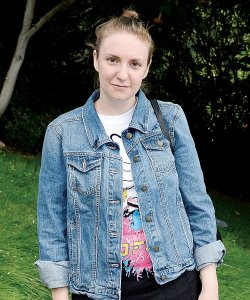
Girls creator Lena Dunham discusses her new feminist book imprint, Lenny Books, and its first title, Sour Heart, the debut story collection by Jenny Zhang.
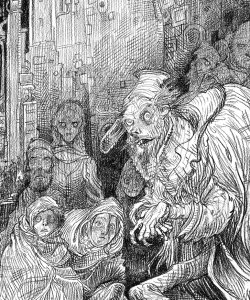
Illustrator and U.K. children’s laureate Chris Riddell provides fantastical artwork for a new edition of Neil Gaiman’s first solo novel, Neverwhere, published this month in the U.S. by William Morrow.
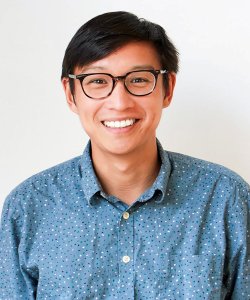
The digital deputy editor of GQ discusses his Best Books of the Month feature and the state of diversity in publishing.

In a continuing series on international writing communities, contributing editor Stephen Morison Jr. spends time with four authors in Tirana, Albania.
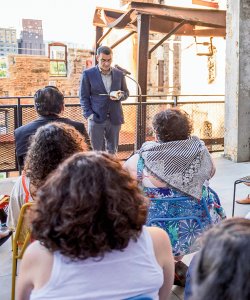
The Radius of Arab American Writers works to support and disseminate creative and scholarly writing by Arab Americans through workshops, conferences, and community outreach.

Beth Ann Fennelly highlights five journals that first published pieces appearing in her new book, Heating & Cooling: 52 Micro-Memoirs.
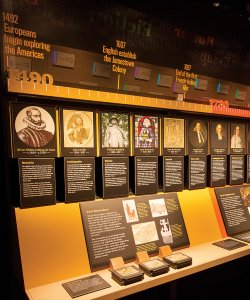
The first museum of its kind in the United States, the Chicago-based American Writers Museum honors writers and writing that has helped shaped American society and culture.
At a time when the environment faces increasing threats, scholars and writers gather to promote conversation and interdisciplinary research about literature and environmental sustainability.
Small Press Points highlights the innovation and can-do spirit of independent presses. This issue features the Duluth, Minnesota–based Holy Cow! Press.
The first lines of a dozen noteworthy books, including Celeste Ng’s new novel, Little Fires Everywhere, and Frank Bidart’s Half-light: Collected Poems 1965–2016.

As part of a continuing series, we offer a breakdown of the numbers behind our Grants & Awards listings in our September/October 2017 issue.
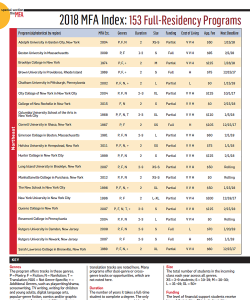
A look at 153 full-residency programs and 59 low-residency programs, sorted alphabetically by region.

Two of the most dynamic poets writing today, both with new collections out, explore issues of poetry and craft, aesthetics and language, luxury and yearning, drag and systematic repression.

After the sudden death of his sister, an author shifts his focus from trying to write through grief to writing a book for the person he lost.

For the author whose new novel, The Gypsy Moth Summer, is out now, it took over two decades of writing and rewriting the same scene from her childhood to fully understand—and make peace with—her past.