The Time Is Now: Writing Prompts and Exercises

Write a poem that creates unexpected connections, a story from the point of view of someone older than you, or a pair of lyrical essays that explore your personal responses to losses and gains.
Tags:
Jump to navigation Skip to content
Write a poem that creates unexpected connections, a story from the point of view of someone older than you, or a pair of lyrical essays that explore your personal responses to losses and gains.
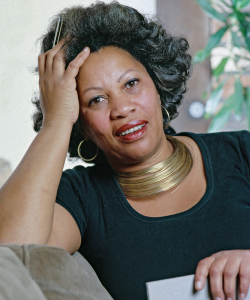
A new book examines Toni Morrison’s years as an editor at Random House and the complicated art of publishing books of poetry by Barbara Chase-Riboud, Lucille Clifton, and June Jordan.
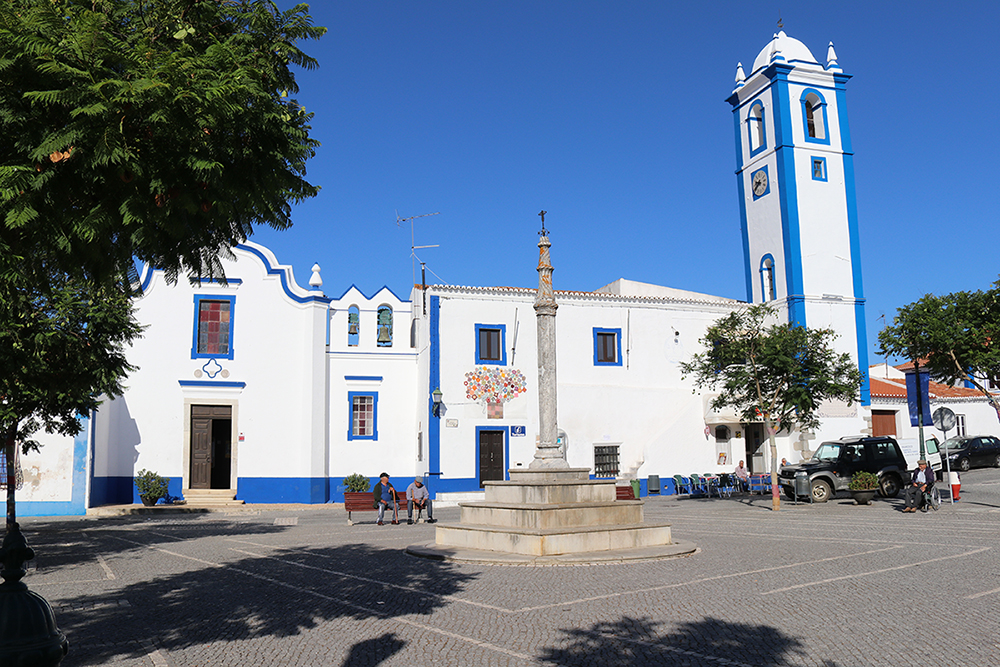
Buinho Creative Hub offers residencies of two weeks to two months year-round to poets, fiction writers, and creative nonfiction writers in the historic town of Messejana, Portugal. Residents are provided with a single- or double-occupancy room in one of three traditional Portuguese houses, as well as access to private and shared studios. The Buinho residence also features a central studio and backyard workshop. The cost of the residency is €800 to €1,000 (approximately $894 to $1,118) per month, depending on the room; transportation and meals are not included.
Buinho Creative Hub Residencies, Rua Nova de São Brás 43, 7600-346 Messejana, Portugal. Carlos Alcobia, General Manager.
The 2025 Jackson Hole Writers Conference was held from October 23 to October 25 at the Jackson Hole Center for the Arts in Jackson, Wyoming. The conference featured craft and publishing classes, lectures, panels, readings, and manuscript critiques for poets, fiction writers, and creative nonfiction writers. The faculty included poet Dāshaun Washington; fiction writers Laura Pritchett and Lucas Schaefer; and creative nonfiction writers Julie Barton, Bridget Crocker, and Greg Marshall.
Jackson Hole Writers Conference, P.O. Box 3871, Jackson, WY 83001. Matt Daly, Executive Director.
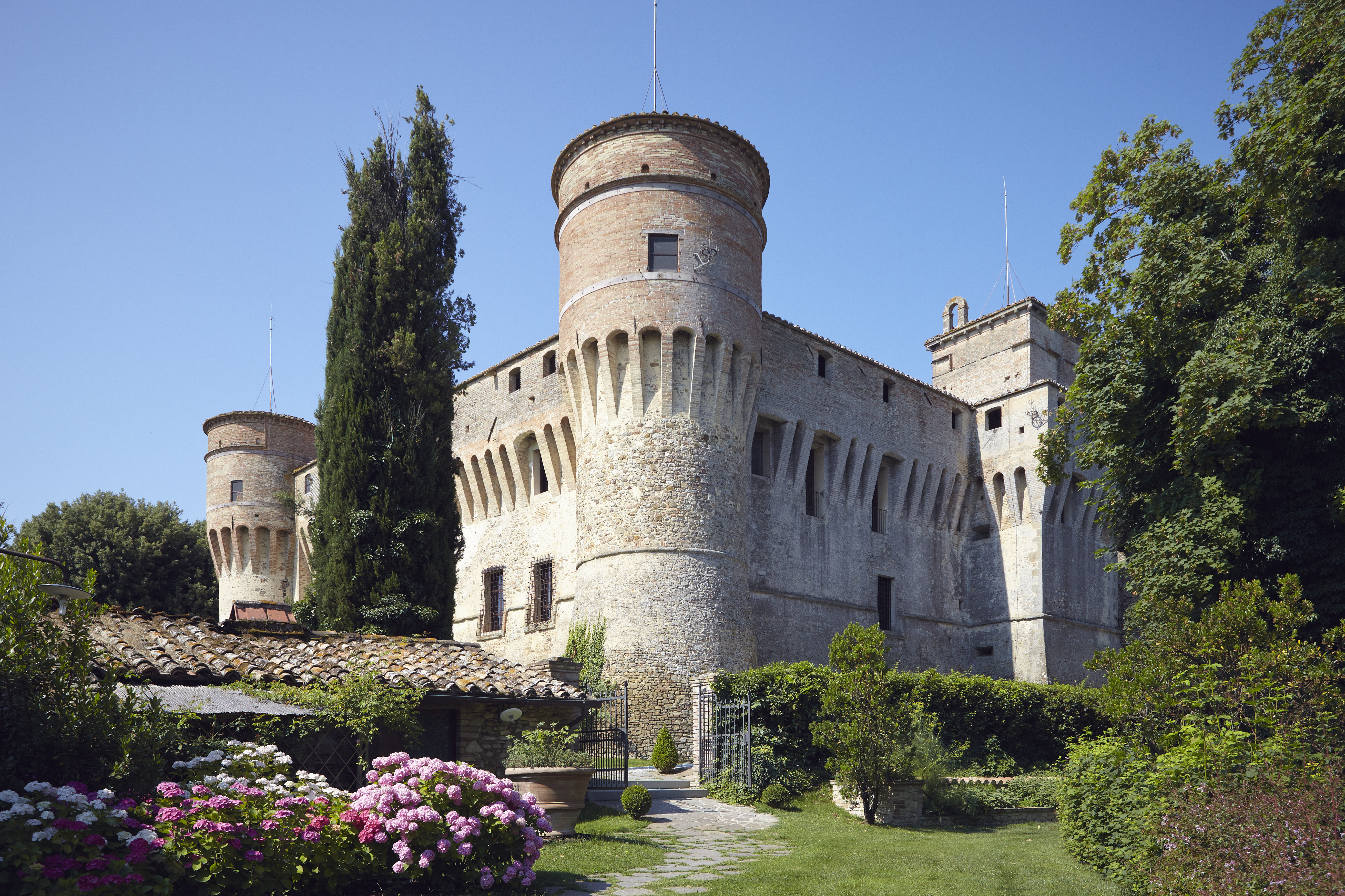
The Civitella Ranieri Foundation “Nature of Wonder” workshop was held from November 15 to November 24 at the 15th-century Civitella Ranieri Castle in Umbria, Italy. The workshop featured writing sessions, craft lectures, and excursions to museums, local towns, religious sites, and natural settings for poets. The faculty included poets David Baker, Camille T. Dungy, and Linda Gregerson. Residents were provided with a private apartment that includes a bedroom, a kitchenette, a bathroom, and a studio.
Civitella Ranieri Foundation, 28 Hubert Street, New York, NY 10013. (212) 226-2002. Greta Caseti, Program Assistant.